
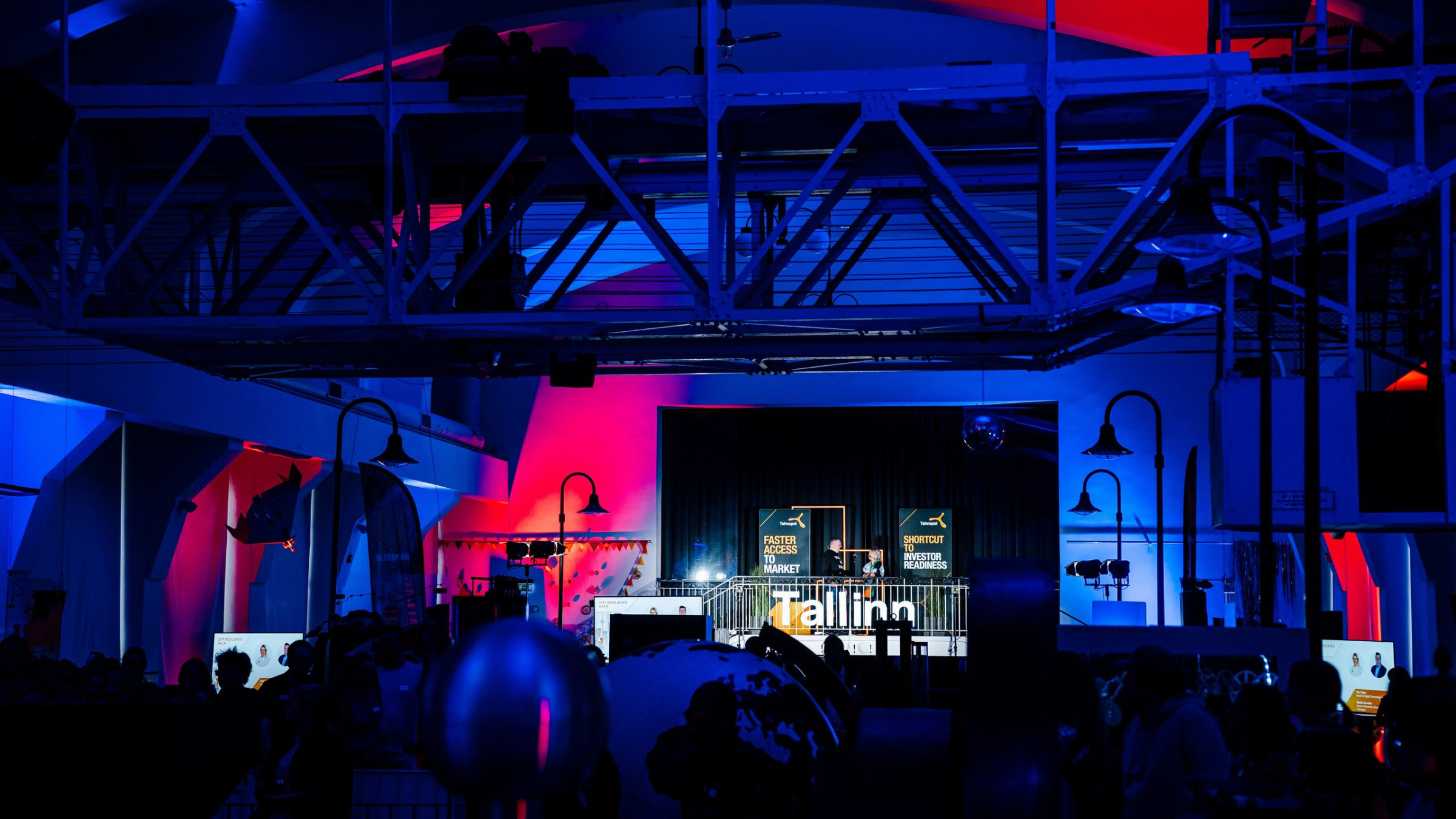
Valencia will pilot two of the solutions selected at the City Resilience Hack, the international hackathon led by the City of Tallinn and Tehnopol in collaboration with Valencia, Helsinki, Dnipro and Lviv. Held in Tallinn on September 24 and 25, the event brought together 37 teams from 10 countries and 120 participants to develop solutions addressing real-world urban resilience challenges.
Commu App and Resilient Europe, both from Finland, were the two proposals selected to run pilots in Valencia. The teams received €30,000 and €20,000 respectively to advance the implementation of their solutions and test them in a real urban environment.
Both proposals address areas of particular relevance to the city: the ability to activate and coordinate volunteer networks during emergencies and preparing citizens for extreme events such as heatwaves. The pilots also align with one of the challenges being addressed by the i-Team at València Innovation Capital, which focuses on reducing the vulnerability of people over 60 and people with disabilities during climate-related crises and disasters.
Valencia was represented in Tallinn by a delegation comprising members of the València Innovation Capital i-Team, Fundación Felisa and Startup Valencia, who took part as mentors and members of the jury responsible for assessing the solutions developed during the hackathon.
Representing Startup Valencia, Karlos Rivera, Strategic Advisor and Special Envoy, has contributed to the development of the initiative and to connecting Valencia’s tech ecosystem with the international teams and stakeholders involved in the programme.
Two solutions to anticipate and respond to crises
Commu App has developed a platform that quickly and securely connects volunteers with people who need help during an emergency. The tool facilitates the coordination of neighbourhood networks and community resources, while identifying capabilities available across local communities so they can be activated when needed.
The solution aims to strengthen these networks not only during a crisis, but also before one occurs. Its pilot in Valencia will test how these resources can be adapted and mobilised in a coordinated way during and after an emergency.
Resilient Europe, meanwhile, combines an app and a virtual assistant to provide citizens with information and support before and during emergencies. During the City Resilience Hack, the team adapted the solution to Valencia’s specific context, with a particular focus on preparing for extreme heat events and protecting the most vulnerable people.
The pilot will explore how these types of tools can help anticipate needs, facilitate access to relevant information and improve the adoption of preventive measures in different crisis scenarios.
In total, the City Resilience Hack recognised seven teams: Commu App, Resilient Europe, Supersight, Sillan, Fanera, LifesaverSIM and Q-Responsify. Their solutions cover areas including volunteer coordination, climate risk preparedness, shelter management, infrastructure monitoring, emergency services, first aid and the coordination of critical resources.
Valencia connects its tech ecosystem with European innovation hubs
Valencia’s participation in the City Resilience Hack is part of Startup Valencia’s work to connect the Valencian tech ecosystem with other cities and international hubs, creating new opportunities for collaboration among startups, professionals and specialised talent.
Startup Valencia has been involved in the initiative from its organisation, bringing it closer to the startup and tech ecosystem of the Comunidad Valenciana and connecting the programme with multidisciplinary teams capable of addressing the challenges identified by the participating cities.
The City Resilience Hack takes this collaboration into a practical environment: identifying specific urban challenges, working directly with cities and turning technological solutions into pilots that can be tested in real-world settings.
The collaboration with Tallinn also strengthens ties between the two ecosystems and supports an urban innovation model based on experimentation, knowledge exchange and cooperation between public administrations, startups, companies and tech talent.