
As cities around the world face increasingly complex challenges, from climate resilience and digital transformation to talent attraction and sustainable urban growth, innovation has become a defining factor in shaping the future of urban life. More than adopting new technologies, the challenge lies in creating environments where governments, startups, companies and citizens can work together to develop solutions with tangible impact. Few European cities embody that vision as clearly as Tallinn, recognised as one of Europe’s leading digital capitals and built around an innovation-driven model based on openness, collaboration and a willingness to test new ideas.
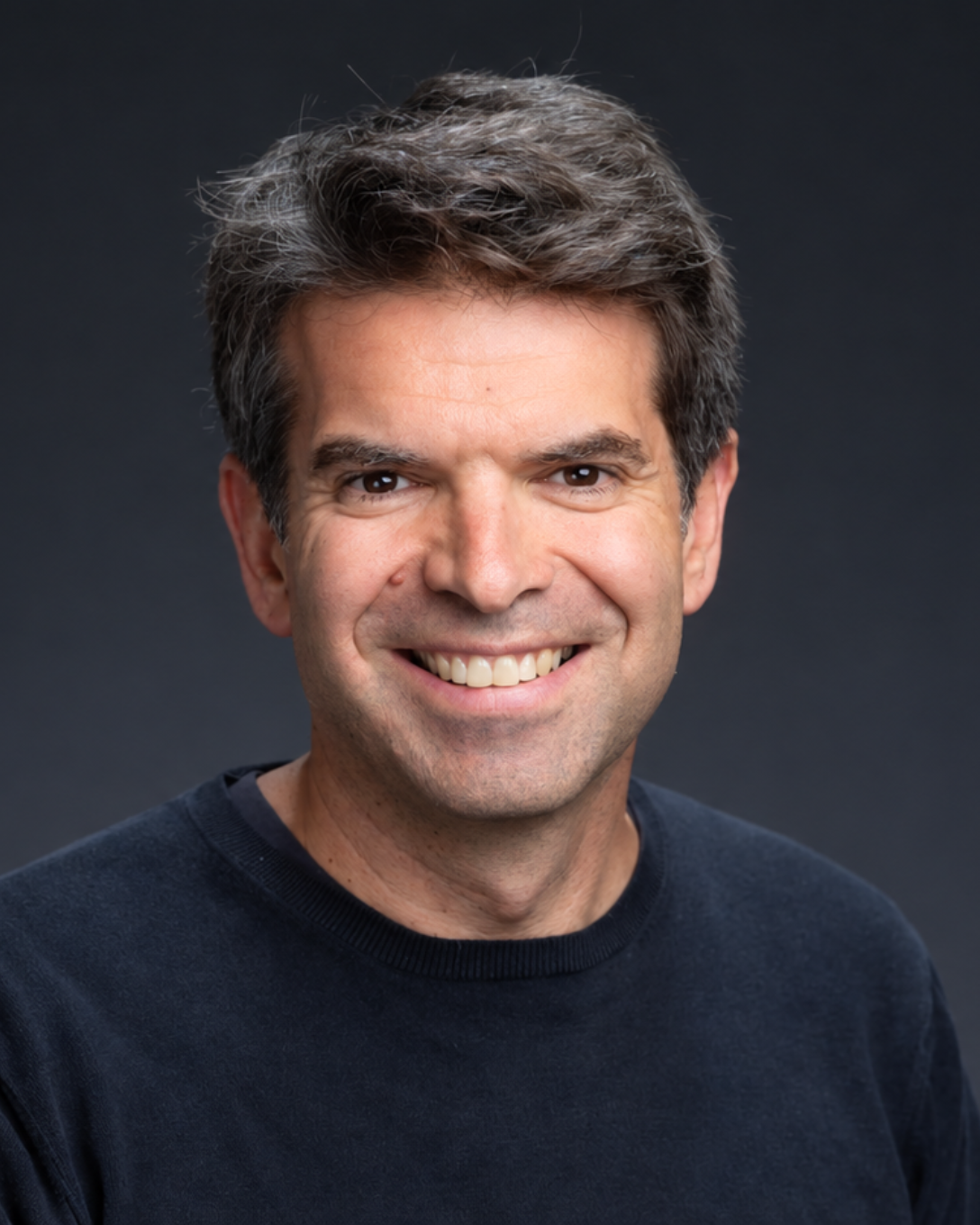
At the heart of that strategy is Mark E. Talivere, Head of Innovation at the City of Tallinn, who works to strengthen partnerships between the public sector and the entrepreneurial ecosystem while helping position Tallinn as a global reference for urban innovation. In this interview, he shares why cities must be willing to embrace risk and learn from failure, reflects on the role startups play in building more resilient urban environments, and explains how international collaborations and initiatives such as the hackathon City Resilience Hack and VDS are helping shape the next generation of European innovation ecosystems.
Tallinn is often seen as one of Europe’s most advanced digital cities. What has been the key to turning that reputation into real impact for citizens?
First of all, there are not many of us in Tallinn. It is a relatively small city, and Estonia is a small country. For the past 30 years, our mindset has been very clear: there is nothing else to do but go global. We test ideas locally, and then we look at how they can scale internationally.
In Tallinn, we have integrated that same mindset into the way we work with companies and innovators. Every idea, and every company that brings something innovative, is worth testing. This has given us a unique position. Local companies do not see the city only as a governing body, but as an agile and honest innovation partner, one that can take responsibility, scale solutions and integrate them into the city.
Another key factor is our business environment, which is very digitally friendly. In Estonia, and in Tallinn, you can establish a company in a matter of minutes. That has attracted a lot of attention from outside Europe. For example, companies from South Korea see Estonia and Tallinn as a first landing spot when entering European markets and testing their first innovative solutions.
Here, they can find potential customers, test with end users and then scale to other European countries. So, in short, we are not just a city that governs people and collects taxes. We help innovators and companies fulfil their maximum potential, because again, there are not many of us.
Through initiatives such as the hackathon City Resilience Hack, Tallinn and Valencia have shown how European cities can collaborate around urban challenges. What can cities learn from each other when it comes to building stronger tech ecosystems, attracting talent and turning innovation into real impact?
We are not here just to take part. We are here to take over. We are not passively waiting for things to happen, we want to be forerunners of innovation. And this is not just about saying it, but actually doing it.
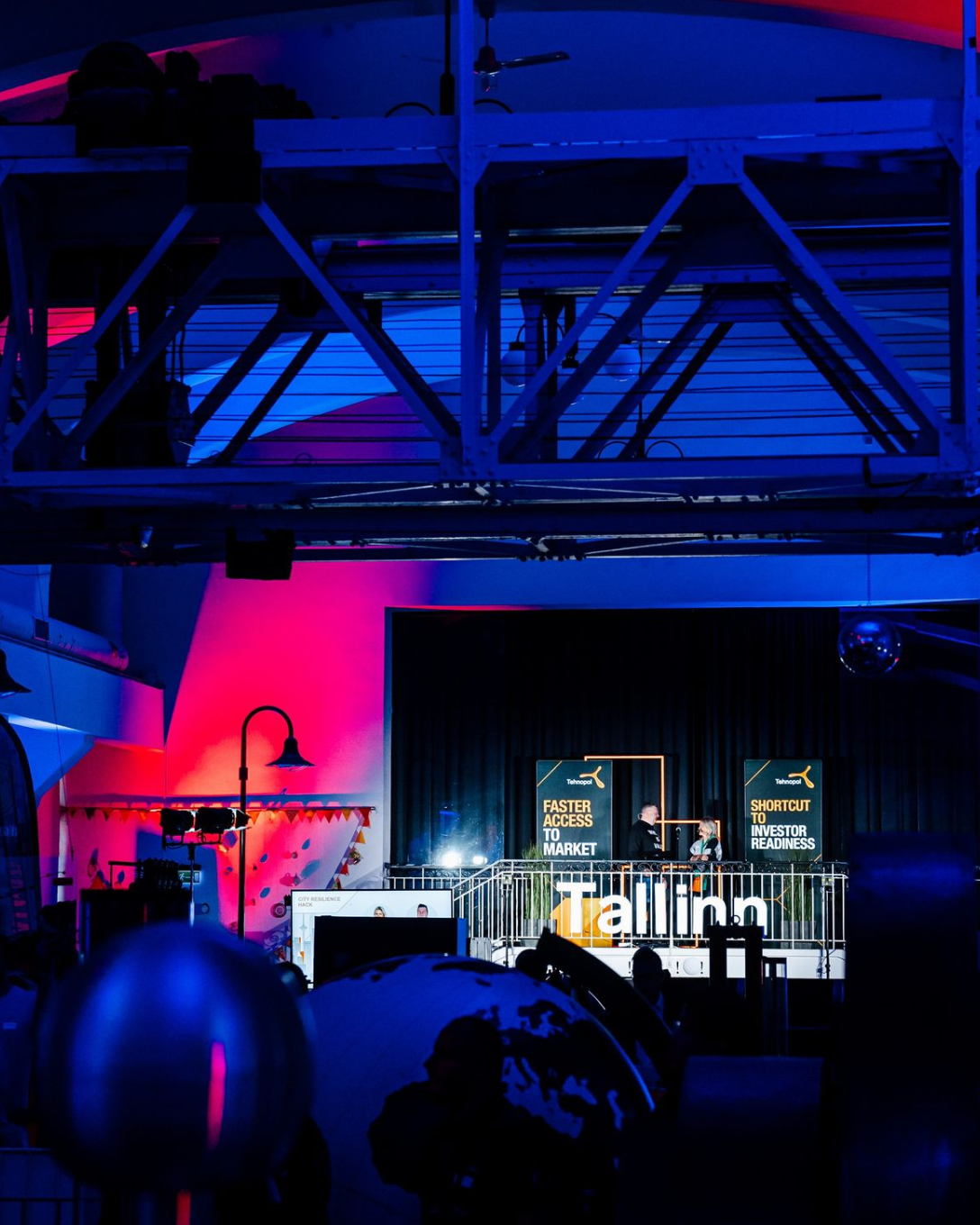
Last year, we had an amazing opportunity to work with the city of Valencia on a hackathon, and we have continued building on that experience. Now, we have the opportunity to announce that five cities are doing a hackathon together, which is something very unique.
What other cities can learn from this is simple: just start doing it. The question is whether you are willing to take risks, whether you are willing to make mistakes and whether you are willing to reap the rewards afterwards. Everyone wants the rewards, of course, but not everyone is ready to take the first two steps.
In Tallinn, I can confidently say that we are ready. We are also very transparent. We open up our city, our hearts and our minds. We can talk about the mistakes, and we can talk about the wins. That is something other cities can learn from.
What role should startups play in helping cities become more resilient, sustainable and prepared for future challenges?
Startups have a unique opportunity. As I mentioned before, seeing five cities collaborate on a hackathon is something my eyes had never seen before.
For startups, this kind of initiative is a chance to learn how to work directly with an end customer. It is one thing to work in a closed room, focus on your product and develop it internally. But it is another thing to go out into the market, create a prototype that more or less works, and start showing it to everyone you know.
What Tallinn offers these companies is a platform. We can say: we will bring you Tallinn and four other cities where you can show your prototype, but now it is your responsibility to bring the other 50%. We cannot develop the product for you. It has to be a collaborative effort.
Startups can learn how to develop products with end users in a fast and practical way. In a hackathon, 48 hours go by very quickly. But if you are able to succeed, the value is there.
VDS, the international tech event organised by Startup Valencia, will celebrate its 9th edition on October 21 and 22 at the City of Arts and Sciences in Valencia, bringing together thousands of startups, investors, corporations and institutions from more than 120 countries. Why are platforms like VDS important for cities such as Tallinn?
VDS is one of the best summits, exhibitions and shows to attend.
For Tallinn, what we are looking for is the same mindset. We are looking for cities that are as hungry as we are: hungry for innovation, hungry for new technologies and willing to go beyond formal delegation exchanges. We are looking for cities that want to work internally and co-develop solutions.
VDS is another step in our cooperation path, and it is a wonderful event. I am sure that Tallinn, the companies coming from Tallinn and companies from all around the world can see the real openness of Valencia, its ambition and its willingness to create opportunities.
That is what VDS represents: a place to find real opportunities.
If you had to give one piece of advice to a city that wants to become more innovative, where should it start?
A city that wants to become more innovative should start with itself. It needs to look deeply at itself and ask: are we ready to work long hours? Are we ready to hit our head against the wall multiple times? Are we ready to receive 50 noes? Are we ready to fail?
If the answer to all of those questions is yes, then you can start developing innovative programmes. But if the answer to any of them is no, then perhaps becoming an innovative city is not the right path.
Failure can be devastating, and your citizens might never forgive you. Luckily, Tallinn is very open-minded. We are technologically advanced, and our citizens expect us to constantly innovate and try new things. They even allow us to fail a little.