

Universities are often seen by the business world as talent providers — a constant source of highly skilled professionals ready to enter the workforce.
This connection, primarily based on employment, is not the only link between academia and industry. Beyond the spotlight, and increasingly gaining relevance, lies a type of relationship focused more on commercial success, rooted in what are known as spin-offs.
What is a Spin-Off and Which Ones Are the Most Well-Known Globally?
A spin-off is a newly created company that originates from an institution (usually a university or research center) with the aim of commercially leveraging knowledge, technology, or research outcomes developed within that environment.
Spin-offs enable scientific advances from academia to reach society through innovative products, services, or solutions, turning knowledge into economic and social value.
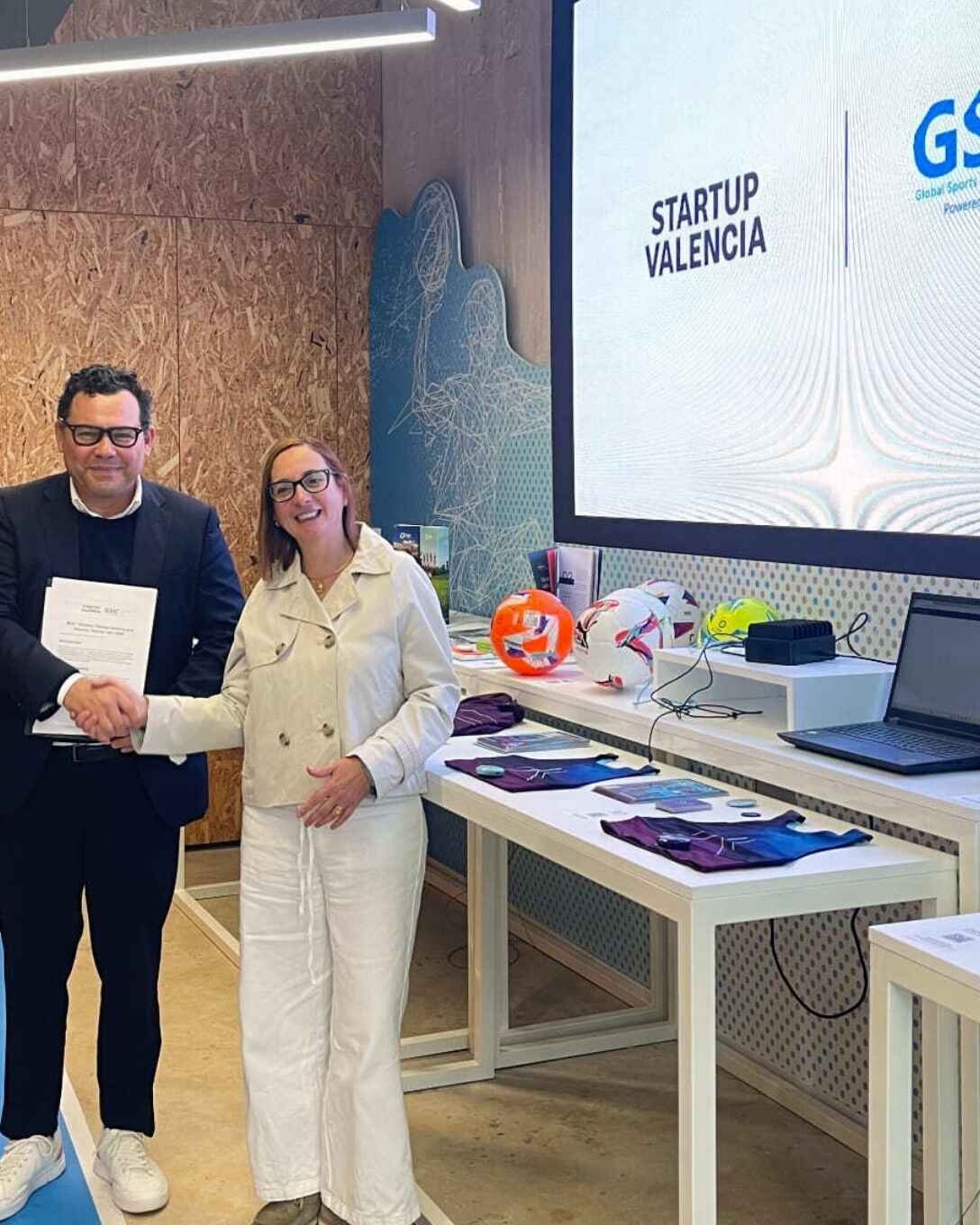
Such technology transfer “not only drives innovation and competitiveness, but also plays a key role in job creation, sustainable economic growth, and improving citizens’ quality of life,” according to Nacho Mas, CEO of Startup Valencia.
Two of the most globally relevant spin-offs are clear examples:
– Moderna, born from collaboration between Harvard and MIT scientists, revolutionized biotechnology with its mRNA COVID-19 vaccine.
– ARM Holdings, founded in Cambridge, is now listed on Nasdaq with a multibillion-dollar valuation and designs chip architectures used in most smartphones and IoT devices worldwide.
Spain and Valencia’s Position in Technology Transfer and Spin-Offs
Spain is a global research powerhouse. Prestigious reports like the Nature Index 2024 rank the country 13th worldwide in high-quality scientific output. The World Intellectual Property Organization (WIPO) also ranks Spain 23rd in innovation outcomes and published scientific papers.
Spain has a well-established university network and a strong research culture. However, one major challenge remains: improving the connection between academic knowledge and the business world. For instance, WIPO ranked Spain 47th in patent filings in 2023.
As engineer and co-founder of ELLIS Alicante, Nuria Oliver, put it: “If we don’t connect research talent with industry, we risk letting that knowledge gather dust or see it leave for other countries.“
But that disconnect between academic research and business use is increasingly a thing of the past — especially thanks to initiatives like Spin UPV, launched by the Polytechnic University of Valencia (UPV).
Spin UPV functions like an accelerator, supporting the creation of spin-offs born from the university’s scientific and technological research. Its goal is to renew and impact the Valencian economy by turning research into real-world businesses.
Valencia also has a specific strategy to strengthen the university-business connection, embodied in the Tech Transfer Committee of Startup Valencia — a working group created to bridge the gap between scientific and tech innovation and the startup ecosystem, as well as the broader industrial sector.
Leading Spin-Offs from Valencia
These initiatives are already bearing fruit. Here are some of the most successful spin-offs from Valencia:
– VLC Photonics: A leader in integrated photonic circuit design, acquired by Japan’s Hitachi High-Tech, positioning Valencia as a global reference in a key technology for telecom and sensors.
– iPronics: A global pioneer in reprogrammable photonic processors, a disruptive technology for data centers, AI, and telecommunications. It originated from the UPV’s Photonics Research Labs.
– Fivecomm: Specializing in industrial 5G solutions for mobility, agriculture, and robotics. It was founded based on the wireless technology expertise of UPV’s iTEAM Institute.
– Physio MRI: Develops advanced portable MRI technology for real-time, accessible diagnostics. It stems from biomedical research at UPV and has the potential to impact healthcare in rural or emergency settings.
– ImpactE: Specializes in AI programming, IT services, and data analysis to support decision-making in energy efficiency. They recently shared their journey in a podcast interview.
You can find the full list of UPV spin-offs.
The spin-off ecosystem stands out as one of the most powerful tools for connecting academia with the productive economy. Through these ventures, scientific knowledge leaves the lab and transforms into real-world solutions that improve industries and lives. Valencia, with initiatives like Spin UPV and the Tech Transfer Committee, proves that the model works when universities, government, and businesses share a common vision. The Polytechnic University of Valencia (UPV), which secured over €100 million in external R&D&I funding in 2024, further strengthens its role as a driver of innovation. The challenge now is to consolidate this bridge and accelerate its growth.