
The growth of the Valencian tech sector is not only being driven by startups and scaleups, but also by large corporations that have understood that open innovation is key to maintaining their competitiveness. In a context where digital transformation is reshaping traditional industries such as insurance, collaboration between corporations and startups has become a strategic engine of evolution.
In this context, initiatives such as Santalucía Impulsa, the open innovation and corporate venturing vehicle of Grupo Santalucía, represent a clear commitment to integrating entrepreneurial talent, new technologies and disruptive business models within a large organization with decades of experience.
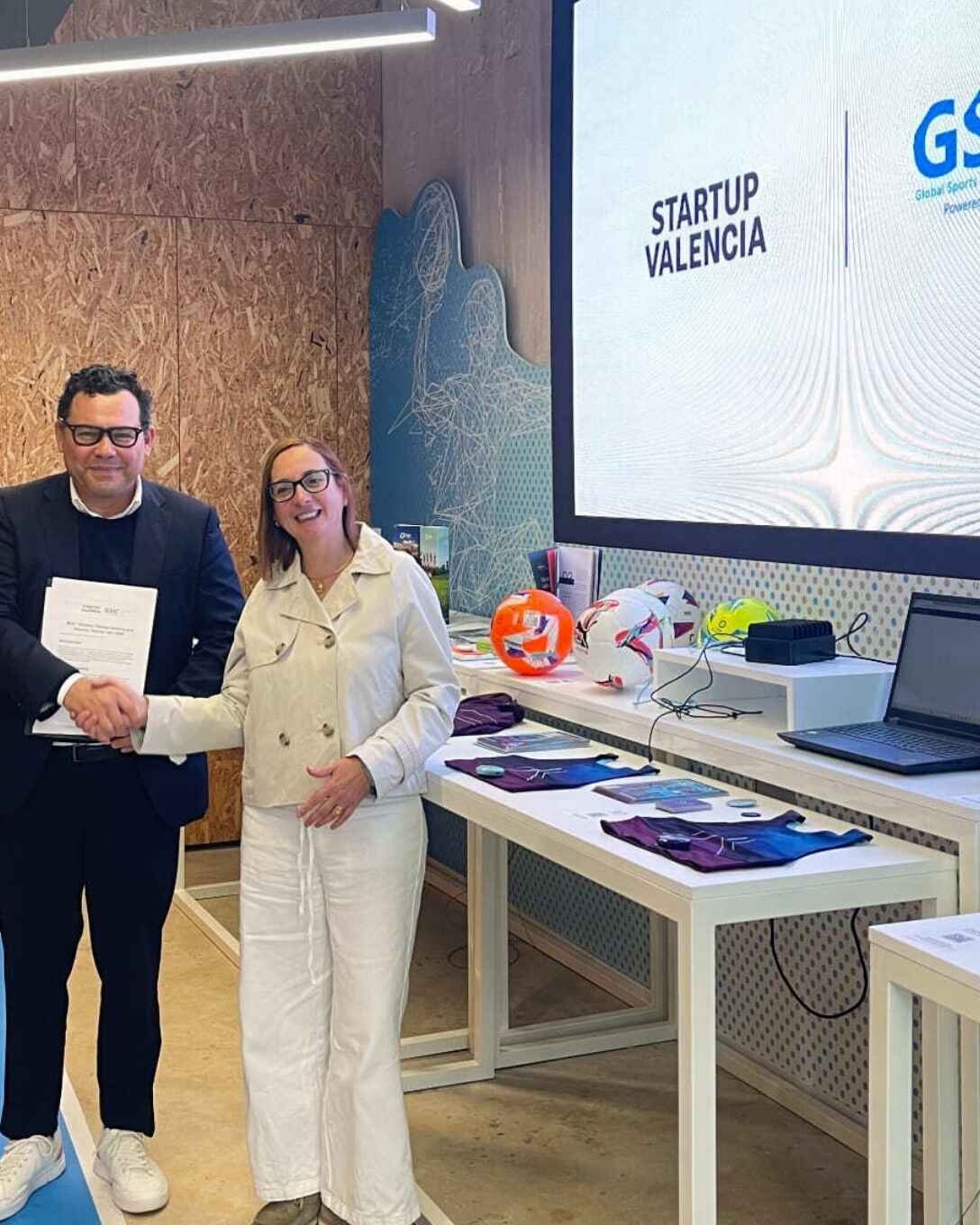
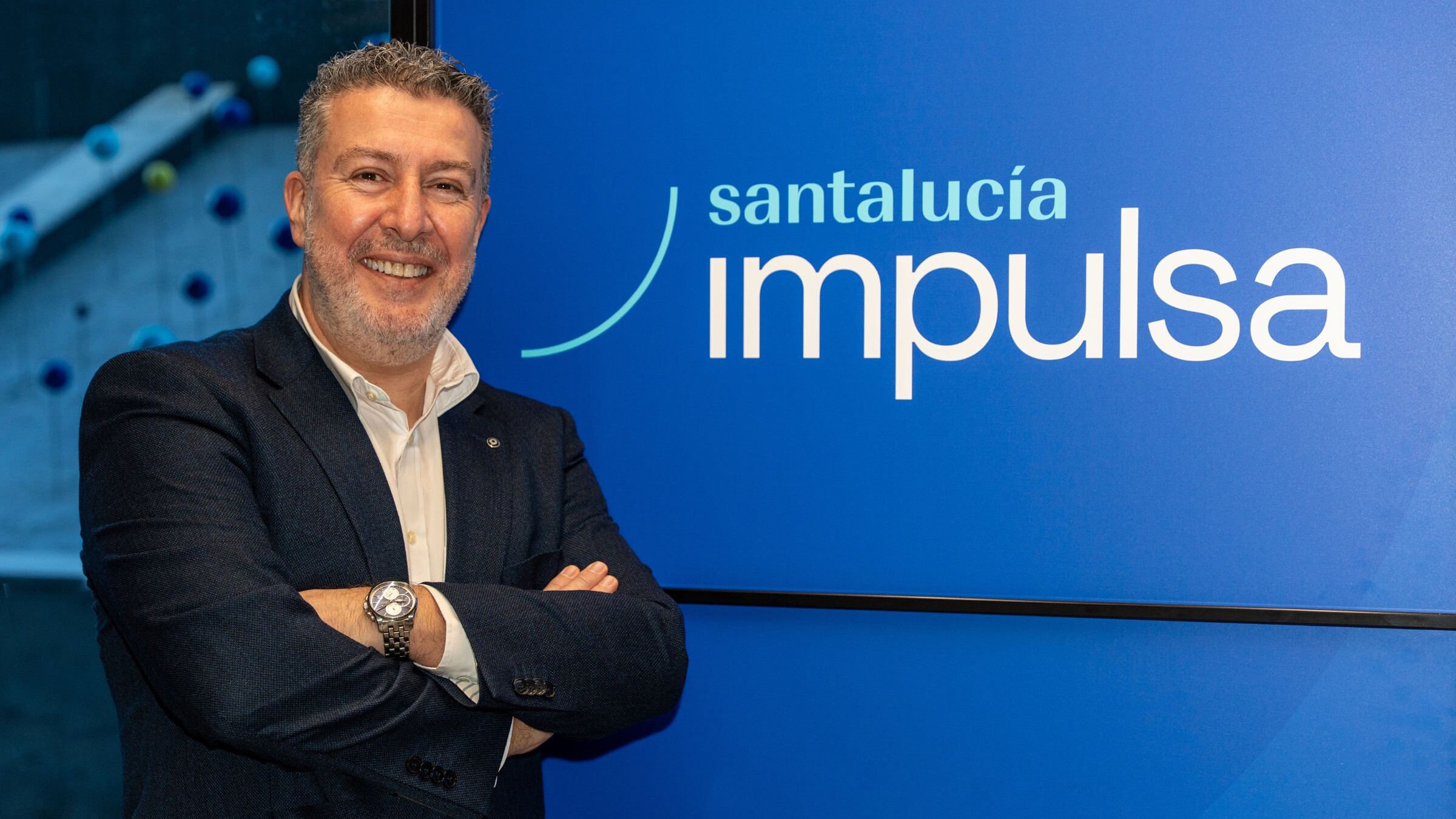
On the occasion of its incorporation as a supporter of Startup Valencia, we spoke with Ángel Uzquiza, Director of Corporate Innovation at Grupo Santalucía, to explore the role that open innovation plays in corporate transformation, the value of the Valencian entrepreneurial ecosystem, and the strategic vision promoted by Santalucía Impulsa in the new European technology landscape.
To begin with, what is Santalucía Impulsa and what is its strategic role within Grupo Santalucía?
Santalucía Impulsa is the open innovation and corporate venturing vehicle of Grupo Santalucía. We have spent the last 10 years activating the ecosystem and we are very used to collaborating with different players that enrich the challenges we face. It was created with a very clear objective, to connect entrepreneurial talent and emerging technologies with the strategic challenges of the group.
Our role as innovation agents is twofold. On the one hand, identifying opportunities that accelerate the transformation of the insurance business, and on the other, building real bridges between startups and internal areas of Grupo Santalucía to generate tangible impact in customers, efficiency and new business models.
From your experience, what role does collaboration with startups play today in the transformation of large corporations such as Santalucía?
Innovation within Grupo Santalucía is a strategic function that has evolved over time. Startups bring agility, technological focus and new ways of thinking about the business.
For a corporation with decades of experience, collaborating with startups is an effective way to anticipate trends, test solutions in short cycles and accelerate internal cultural change processes. In addition, the symbiosis is bidirectional, as we also provide startups with experience, networks of contacts and industrial capabilities.
Open innovation is one of your key pillars. How do you define your open innovation and corporate venturing strategy?
Our strategy always starts with business challenges. We do not innovate for the sake of innovating.
We work with a structured model for identifying challenges, scouting startups, validating solutions jointly and deploying them. At the same time, we analyze investment opportunities when there is a clear strategic fit and shared growth potential.
We combine operational collaboration with an investment perspective, seeking long term relationships.
What types of strategic challenges are you looking to solve through startups and which technologies or verticals are priorities at this stage?
We aim to address three strategic challenges.
– Relevance for new generations, creating digital connections and purpose driven experiences.
– Support in key life moments, anticipating needs and activating services for people and customers when they truly add value.
– Clarity and security about the future, helping people make better decisions regarding savings, housing, sustainability and risk.
To achieve this, we prioritize startups with capabilities in AI and predictive analytics, fintech and intelligent planning, proptech focused on housing access and management, digital wellbeing and security solutions, and technologies that reduce complexity and enhance decision making for businesses.
What model do you use to drive innovation, collaboration, pilots, direct investment or venture client, and at what stages of entrepreneurship do you usually focus?
We work with several models, pilots, commercial agreements, venture client and direct investment.
We mainly focus on startups in pre seed, seed and Series A stages that already have a validated product and the ability to execute. We look for teams prepared to work with a large corporation and scale solutions in real environments.
When analyzing a startup, what factors determine whether there is a real fit with Grupo Santalucía?
We evaluate each project individually, but we always consider three main dimensions.
– Strategic alignment with our business challenges, this is essential.
– Strength and commitment of the founding team. We value motivated teams with dedication and long term commitment.
– Differential technological capability and scalability.
In addition, the willingness to build a real collaborative relationship with a long term vision is fundamental.
Beyond investment, what added value can Santalucía Impulsa bring to a startup in terms of market access, industry knowledge or scalability?
We provide something that is highly valuable for many startups, access to real market opportunities.
We offer deep knowledge of the insurance sector, commercial networks, customer base and deployment capabilities. We also support startups in adapting their proposals to the regulatory and operational standards of a large company.
Our goal is to help them grow, not just to finance them.
Santalucía Impulsa is now joining Startup Valencia as a supporter. What led you to take this step and what value do you see in the Valencian entrepreneurial ecosystem?
Valencia has demonstrated in recent years an enormous capacity to attract talent, investment and high quality technology projects.
Joining as supporters responds to our commitment to being present in the most dynamic ecosystems in the country, collaborating actively and creating real opportunities for connection between startups and corporations.
We see a mature, collaborative ecosystem with international ambition that aligns with our strategic expectations.
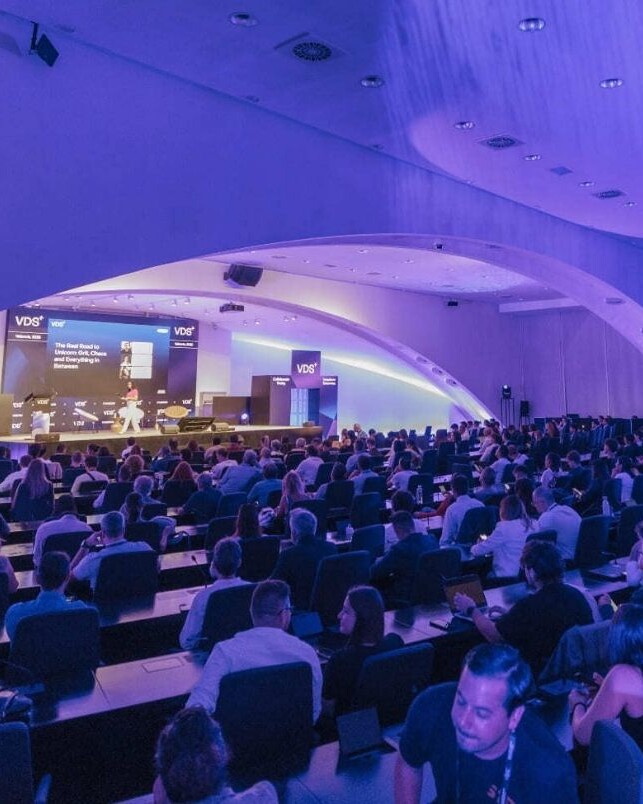
At a time when the Valencian tech sector is consolidating its growth and surpassing 230 million euros in annual funding, how do you see the evolution of the hub and its role within the European innovation landscape?
The growth in funding and the number of scaleups confirms that Valencia is no longer an emerging ecosystem but a consolidated one.
We believe that its combination of talent, quality of life, a cohesive community and flagship events positions it as an increasingly relevant hub in Southern Europe.
From Santalucía Impulsa, we are very interested in this evolution because it helps us foster strategic connections and access projects with real market impact.